Every fall, for as long as I've been in practice, the same wave arrives. Immune-boosting shots, gummies, powders and twelve-step protocols for cold and flu season start showing up everywhere you look. Some of them contain genuinely useful ingredients, but most of them are really selling you the feeling of being prepared.
I'd like to offer you a different starting point. It's rooted in terrain theory and in nearly twenty years of living and practicing this way, and it's about how to support your immune system naturally, beginning with the foundations instead of a bottle.
Germs are constant. Your terrain is the variable.
You're exposed to viruses and bacteria every single day, and most of the time nothing happens. Sometimes you get sick. The difference usually isn't the germ itself. It's the terrain that germ meets, meaning how well you've been sleeping, how much stress you're carrying, how well nourished you are and how much rest your body has had.
That's the heart of terrain theory, and once it clicks, it changes the whole conversation. A strong terrain doesn't mean you'll never get sick. It means you'll get sick less often and less severely, and you'll bounce back faster when you do. Illness isn't always a failure, either. Sometimes it's your body doing exactly what it was designed to do and coming out the other side stronger.
Seen this way, "boosting" your immune system isn't really the goal. A healthy immune system isn't revved up all the time. It responds well when it needs to, and then it settles back down.
Four questions to ask before any immune supplement
These are the questions I ask myself before I recommend anything to a client, and you can use them on any product, not just the cold-season ones:
What problem is this solving, and do I actually have it? If you're sleeping poorly, running on coffee and eating very little protein, a shot of ginger and zinc isn't going to touch the real gap.
Is this a deficiency, an excess or a disconnection? If you're genuinely low in something, a targeted supplement can help, and vitamin D through a Colorado winter is a good example. If the real issue is excess, like too much stress or too little sleep, nothing in a bottle will fix it. And if it's disconnection, like no time outdoors and no real rest, the answer is probably free.
What would I have to believe for this to work? If the marketing needs you to believe your body is fragile and under constant attack, I'd encourage you to notice that. The terrain view is almost exactly the opposite.
What's the cheaper foundation? Sleep, warm food, enough protein, morning light and time outside aren't exciting, but every one of them does more than the latest supplement.
The traditional foods I lean on in the colder months
Long before anyone could measure what was in their food, traditional cultures had their winter staples, and many of them hold up remarkably well. Here's what I keep on hand all winter:
Bone broth and slow-cooked meats, because they're warming, easy to digest and rich in gelatin and glycine.
Cod liver oil, a traditional source of vitamins A and D, two nutrients that matter for immune function and that so many people run low on through the winter.
Liver and other organ meats, some of the most concentrated sources of vitamin A, zinc, iron and B12 you can find.
Pasture-raised eggs and butter, which give you fat-soluble vitamins in a form your body uses easily.
Fermented foods like sauerkraut and kefir, which support a diverse gut, closely tied to immune health. If you tolerate dairy and know your farmer, raw milk and raw kefir are traditional foods I truly value.
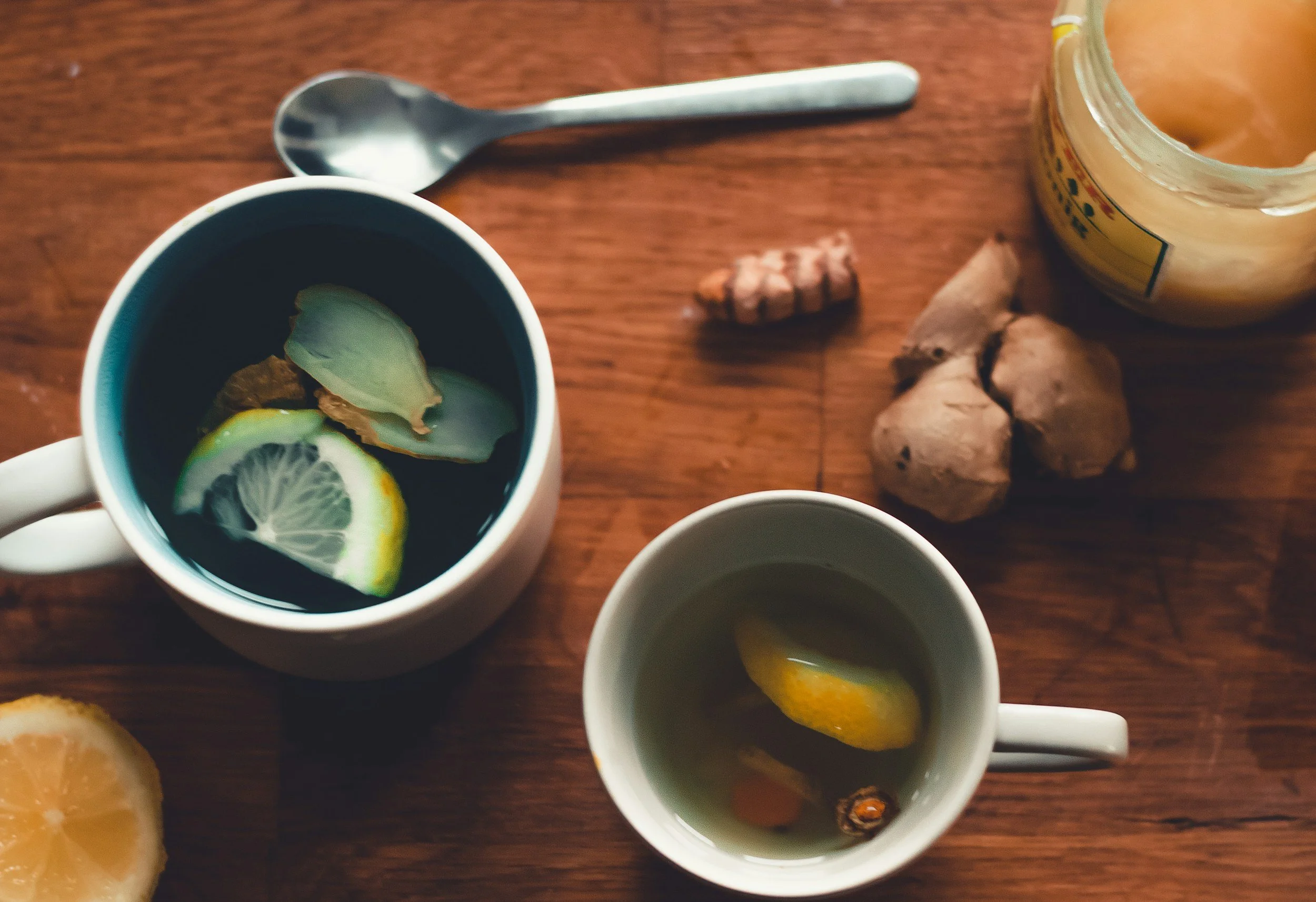
Garlic, ginger, onions and raw honey, the kitchen staples people have reached for in winter for generations.
How to support your immune system naturally: the foundations
If you only take one thing from this post, let it be that the foundations matter more than any supplement.
Sleep. This is the big one. Short sleep makes almost everything harder for your immune system, so let yourself go to bed earlier as the nights get longer.
Enough food. Under-eating is a stressor in its own right, and a depleted body has fewer resources to respond with.
Morning light and time outdoors, even on the cold days, to keep your circadian rhythm steady.
Less sugar and fewer refined foods, not as a punishment but simply because they crowd out the foods that actually nourish you.
Rest when you're sick. Let the fever and the slow day do their work.
This isn't an anti-supplement post
I want to be clear that I use supplements, and I recommend them to clients all the time, often after we've looked at labs together. A targeted supplement for a real deficiency can make a meaningful difference. My point is simply to pause and ask what you're actually trying to solve before you reach for the next thing.
That habit of pausing and asking is the heart of my free field guide, The Nourished Terrain. It walks you through the questions I actually ask, in the order I ask them, so you can evaluate any protocol, trend or product for yourself.
Frequently asked questions
What is terrain theory?
Terrain theory is the idea that the state of your body, meaning your nourishment, stress, rest and resilience, largely determines how you respond to germs. Germs are always around. Your terrain decides how often and how severely illness takes hold.
What foods naturally support the immune system?
I lean on traditional, nutrient-dense foods like bone broth, liver, eggs, butter, raw milk, cod liver oil, fermented foods, garlic and ginger, along with enough protein and good sleep.
Should I take vitamin D in the winter?
Many people living in northern or high-altitude places run low on vitamin D during the darker months. Testing your levels is the best way to know whether you need it and how much.
Work with me
If you seem to catch everything, or it lingers when you do, that's worth a closer look. I'll look at your whole terrain, including labs when they're available, and we'll build a plan that fits your body. I work with a small number of private clients at a time, virtually and nationwide.
Three-month program: deeper, steadier work, with sessions twice a month, support in between and a roadmap built for your body. It begins with a conversation to make sure we're a good fit. Book a discovery call
Six-month guidance: three sessions and messaging support across six months, for those who want structure and a trusted guide at a gentler pace. Begin here